
Associate Professor Eva Nisa is an anthropologist, Islamic studies scholar, and ARC DECRA Fellow at ANU. Her work sits at the forefront of the anthropology of Islam, exploring the intersections of religion, gender, economy, youth, and digital life. Trained in Qur’anic Sciences at Al-Azhar University (Cairo), she brings rare depth to the study of Muslim societies. Her academic path spans Leiden University (MA), ANU (PhD), and postdocs at the University of Hamburg and the University of Amsterdam. She is the author of Face-veiled Women in Contemporary Indonesia and has published over sixty scholarly works. Since joining ANU in 2019, after teaching at Victoria University of Wellington, she has received the ANU CAP Award for Teaching Excellence and held a guest professorship at the University of Vienna. Her research is widely cited and featured in leading global media, including The New York Times, BBC, and Al Jazeera, and she was profiled in Womankind Magazine, distributed in 27 countries, for her contributions to gender and Islam. She serves as Vice President of the Asian Studies Association of Australia (ASAA).

The 2026 Indonesia Update will explore the relationship between Islam and diversity in today’s Indonesia through a wide lens aimed at a few specific themes.
Islamic diversity in Indonesia
Indonesia, the world’s largest Muslim-majority country, is often celebrated as a model of peaceful coexistence. But this image is increasingly being questioned as Indonesia experiences the effects of the conservative turn emerging in domestic politics globally. Rising identity politics, online vilification of minorities, increasing levels of authoritarian governance and economic inequality are creating challenges to diversity both within Islamic society and the wider population.
The 2026 Indonesia Update will explore the relationship between Islam and diversity in today’s Indonesia through a wide lens aimed at four themes. ‘Embracing Differences’ will look at Indonesian concepts of diversity that underpin everyday coexistence. ‘Insisting on Difference’ will examine Islamic positions that identify danger and harm in difference, along with their effects for minority rights, educational choices and national policy. ‘Institutions’ will explore how organisations respond to and shape difference in civil society, the bureaucracy, politics and the private sector. ‘Mediating Difference’ will investigate digital culture, youth engagement, group relations, and the varying understandings of diversity promoted and debated in the media. The conference will acknowledge that Islam in Indonesia is both a platform for an ethics of inclusion and a site for its contestation and will ask what this means for the country’s future.
Program and Registration
In-person registration: https://IndonesiaUpdate2026.eventbrite.com.au
Zoom registration: https://anu.zoom.us/webinar/register/WN_2VXwMiatS7GuprDuFG2Cew#/registration
About the Indonesia Update
The Indonesia Update is the largest annual conference on Indonesian society outside of Indonesia and dates back to 1983. Held in September, it is organised by the ANU Indonesia Project in collaboration with the ANU Department of Political and Social Change. This year marks the 43rd annual Indonesia Update conference.
The Indonesia Updates are designed to provide comprehensive overviews of developments in Indonesia and to present wide-ranging discussions on a theme of particular interest each year. They cater to an audience that includes government officials, academics, teachers, members of business and non-government organisations, students and others. Each year, an expert group of speakers from Indonesia, Australia and elsewhere is assembled. The Indonesia Update is structured to encourage discussion and questions from the audience. The Update proceedings will appear in the Indonesia Update series. Since 1994, the proceedings have been published by the Institute of Southeast Asian Studies, Singapore, in collaboration with The Australian National University.
This year's Indonesia Update is included in the 2026 IMMERSIA festival, bringing languages, traditions and contemporary voices from across Asia and the Pacific to the ANU Community, hosted by the ANU School of Culture, History & Language.
Accessibility:
Indonesian sign language and simultaneous translation into Indonesian will be available online.
If you are attending in-person and require accessibility accommodations or a visitor Personal Emergency Evacuation Plan please contact the ANU Indonesia Project at Indonesia.Project@anu.edu.au.
Keynote Speakers
Each year, the Indonesia Update opens with the Political Update and Economic Updates, authoritative, must-hear accounts of the year’s major developments in Indonesian politics and the economy, before turning to the conference’s annual theme.
This year, our keynote speakers will help lead that thematic discussion, bringing their expertise and perspectives to Islamic diversity in Indonesia and some of the key questions shaping Islam and Indonesian society today. Together, the keynote, Political Update and Economic Update speakers set the scene for two days of informed discussion, debate and fresh insights into contemporary Indonesia.
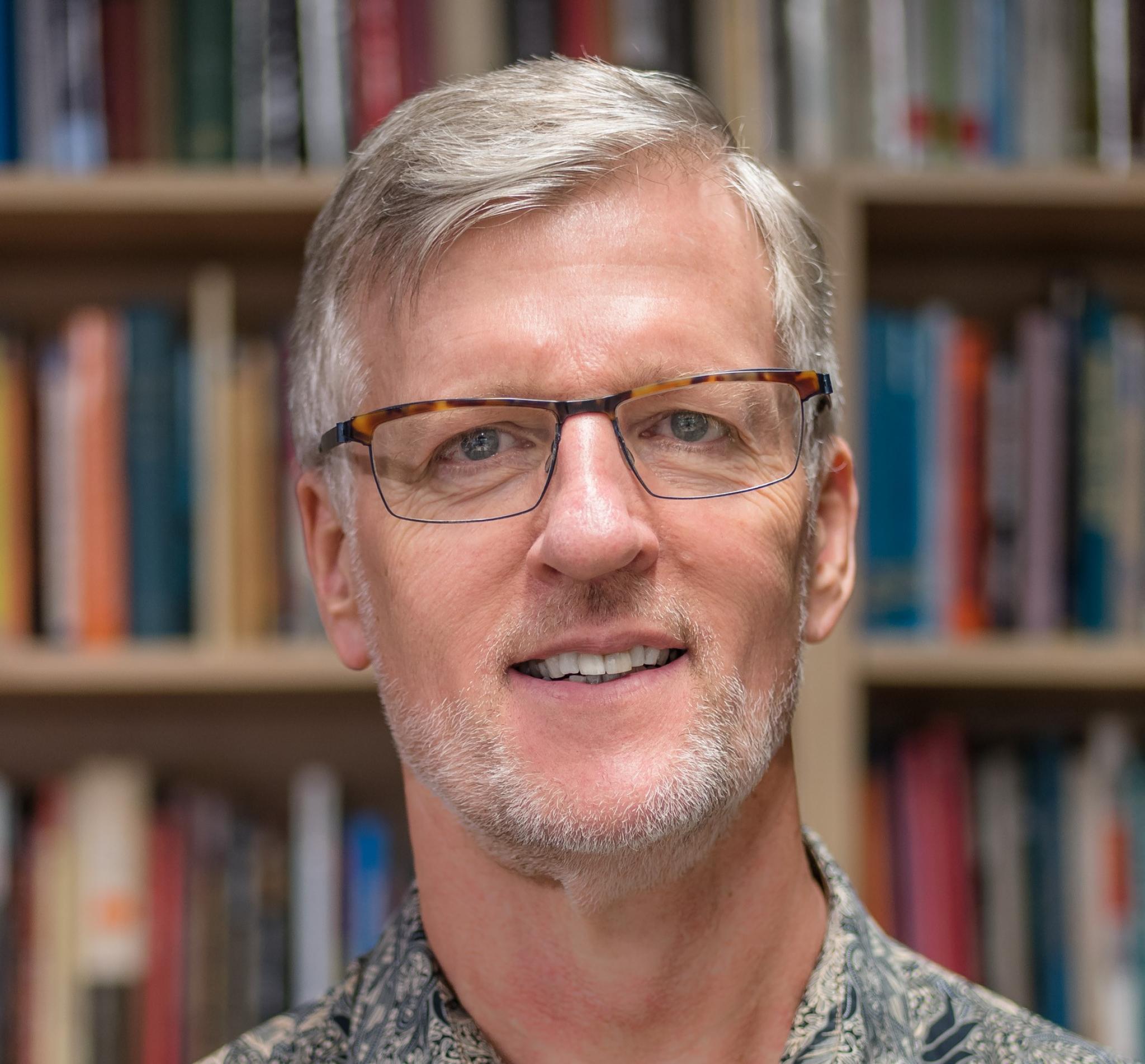
Keynote Speaker - Greg Fealy
Read more
He has published extensively on these subjects, including four authored or co-authored books, six co-edited books and many scholarly and media articles. From 1997 to 1999 he was an Indonesia analyst at the Office of National Assessments. He has been a visiting professor at Johns Hopkins University’s School of Advanced International Studies (SAIS) in Washington, the Hebrew University, Jerusalem, and the Indonesian International Islamic University (UIII) in Jakarta. He was chair of the Department of Foreign Affairs and Trade’s Australia-Indonesia Institute from 2017 to 2024. He received the Medal of the Order of Australia (AM) in 2022 for his services to Australia-Indonesia relations and higher education.
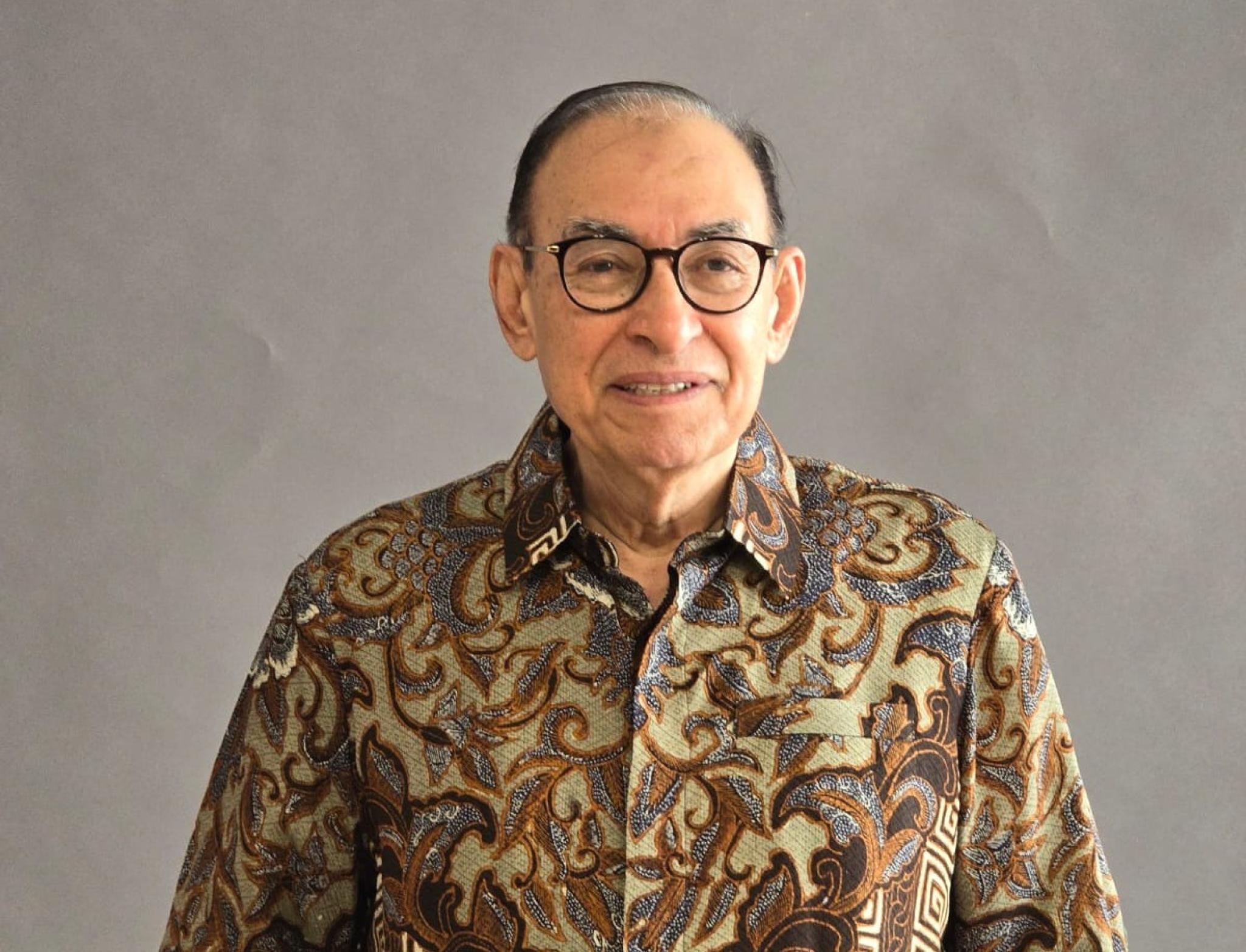
Keynote Speaker - Alwi Shihab
Read more
He also taught Islamic Studies and Sufism at Hartford Seminary (Hartford International University for Religion and Peace) and Harvard University.
In Indonesia, Prof. Alwi Shihab served as Minister of Foreign Affairs under President Abdurrahman Wahid (Gus Dur) from 1999 to 2001, where he played a key role in Indonesia’s relations with the Middle East and the West. He later served as Coordinating Minister for People’s Welfare under President Susilo Bambang Yudhoyono (2004–2005). He also served as the President’s Special Envoy to the Middle East and the Organisation of Islamic Cooperation (OIC), first from 2005 to 2009 during President Susilo Bambang Yudhoyono’s presidency, and again from 2015 to 2019 under President Joko Widodo. He has subsequently continued to advise Indonesian leaders and contribute to Indonesia’s engagement with the Muslim world. A prolific author on Islam, pluralism, religious diversity, and Sufism, he remains an influential voice on Indonesia’s place in the Muslim world, its relationship with the West, and the wider international community.
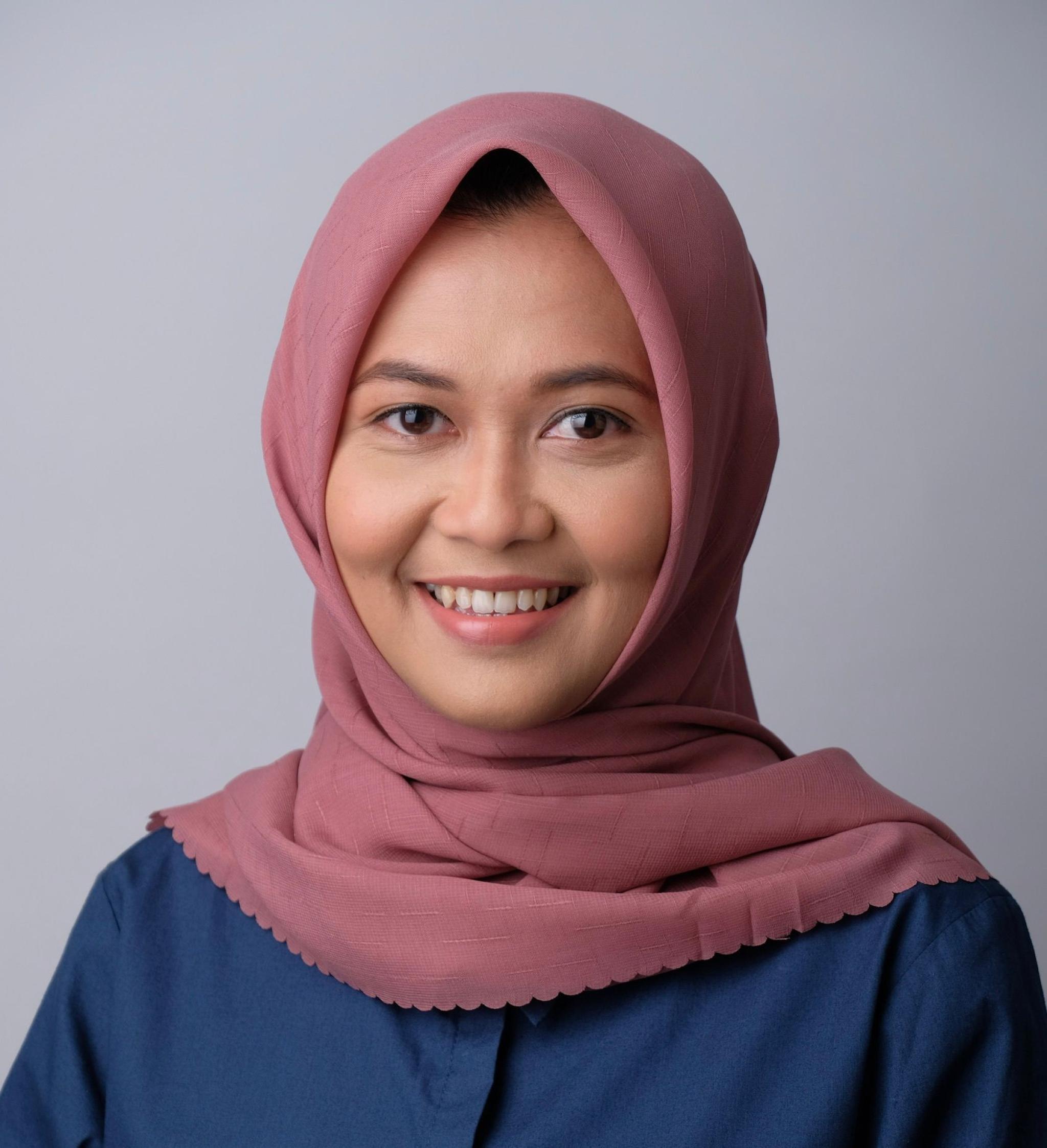
Political Update - Nava Nuraniyah
Read more
She was previously an analyst at the Jakarta-based Institute for Policy Analysis of Conflict (IPAC), specialising in conflict and violent extremism in Southeast Asia. Prior to that, she was an Associate Research Fellow at the S. Rajaratnam School of International Studies (RSIS), Nanyang Technological University, Singapore. Her research has been published in academic journals such as Terrorism and Political Violence and Asian Policy as well as international media, including The New York Times and The Sydney Morning Herald.
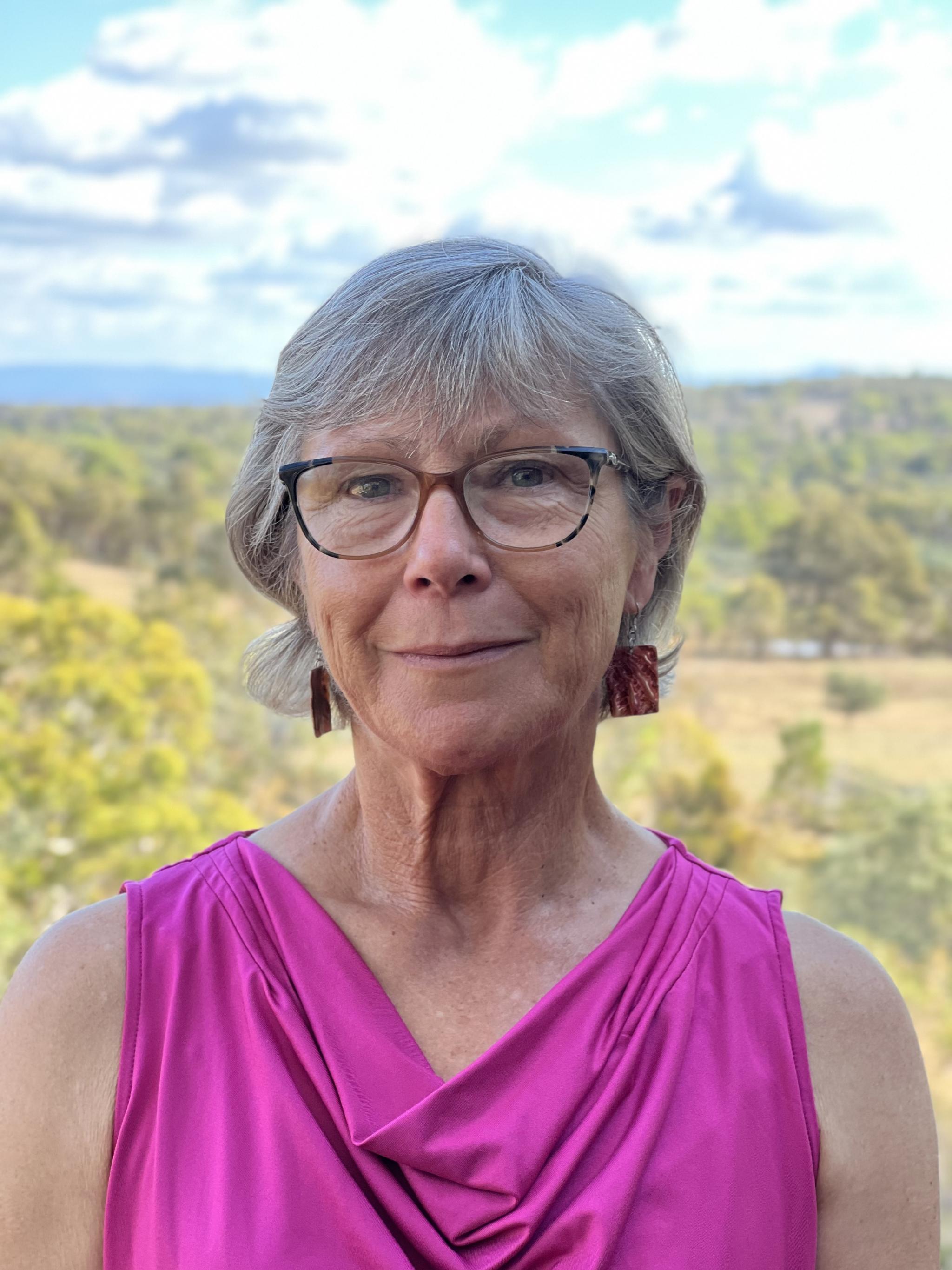
Economic Update - Jenny Gordon
Read more
Jenny recently complete 6 years on the Advisory Council at the Asian Development Bank Institute.
Jenny was the Chief Economist at the Department of Foreign Affairs and Trade (DFAT) from 2019 to 2021. From 2018-2019 Jenny was Chief Economist at Nous Group, assisting them in developing their economics practice. From 2008-2017, Jenny was the Principal Adviser (Research) and First Assistant Secretary at the Productivity Commission. Prior to the Commission, Jenny was a partner at the Centre for International Economics.
Jenny started her professional career at the Reserve Bank of Australia. She has a PhD in Economics and a Master of Arts from Harvard University, and a Master and Bachelor of Economics (Honours) from Macquarie University.
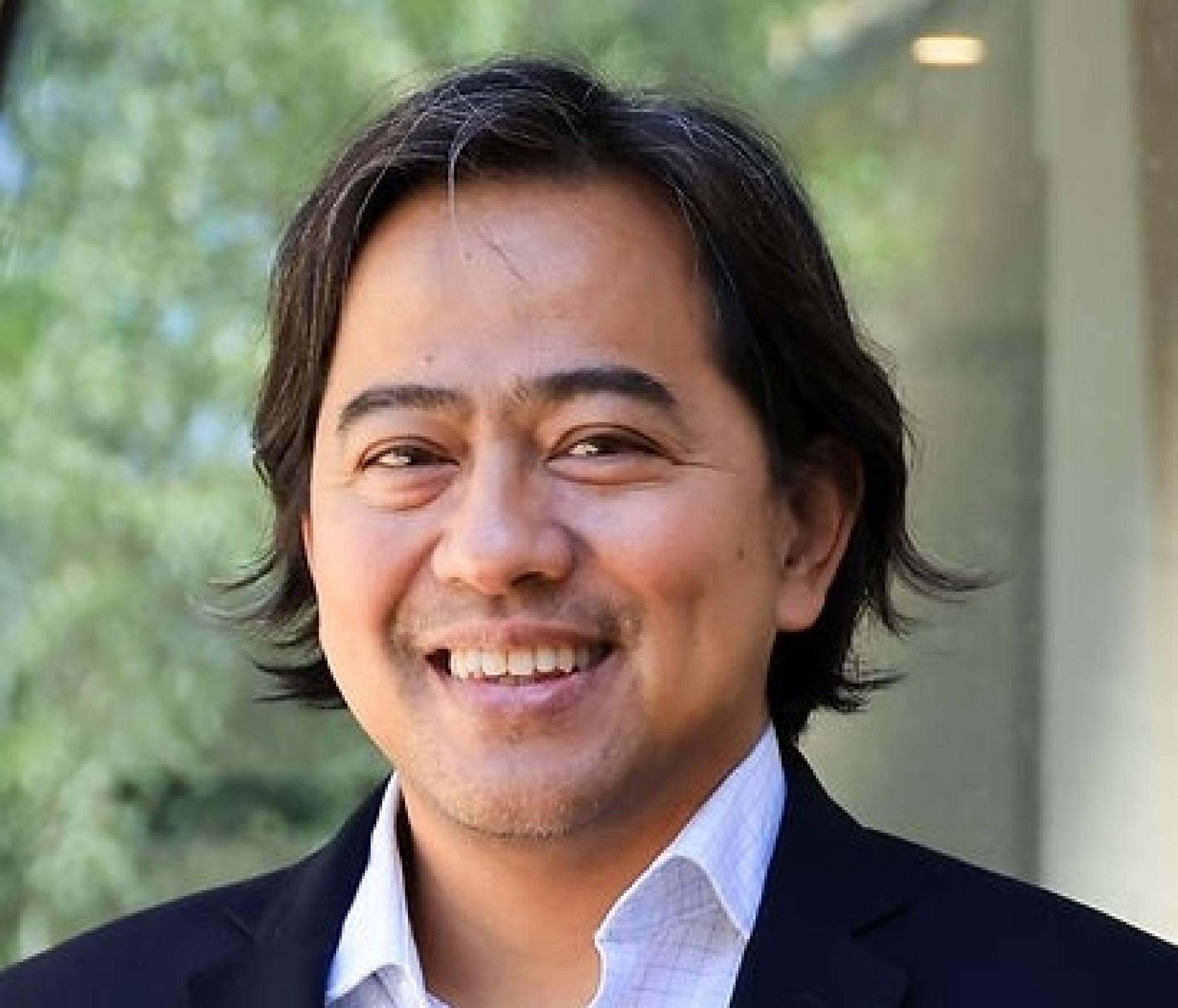
Economic Update - Firman Witoelar
Read more
He holds a PhD in Economics from Michigan State University and was a Rockefeller Postdoctoral Fellow at Yale University's Economic Growth Center. His research is in the broad area of development economics, focusing on labour, population, and health economics, and employs a range of empirical methods, including randomized field experiments, publishing in leading journals including the Journal of the European Economic Association, The Review of Economics and Statistics, Journal of Development Economics, World Development, and Economic Development and Cultural Change. He holds an appointment as an affiliated professor at the Abdul Latif Jameel Poverty Action Lab (J-PAL), Massachusetts Institute of Technology.

Eva Nisa

Julian Millie
Julian Millie is Professor of Indonesian Studies at Monash University. His research is about the social and political meanings of Islamic practice in Indonesia. Since obtaining his doctorate from Leiden University in 2005, he has completed several research projects about Islamic practices such as preaching, pedagogy and intercession, doing his ethnographic work primarily amongst the Muslim populations of West Java. He works with academics from universities in West Java including the Sunan Gunung Djati State Islamic University and Pasundan University. His most recent major works are a special issue of Religion, State and Society entitled Islamic Bureaucracies: New Frontiers for Public Religion (2025, with Banu Senay) and the collected volume ‘The ‘Crossed-Out God’ in the Asia-Pacific: Religious Efficacy of Public Spheres’ (2023, Palgrave MacMillan). Julian was appointed Professor of Indonesian studies at Monash in 2020. In 2021 he was accepted into the Australian Academy of the Humanities.